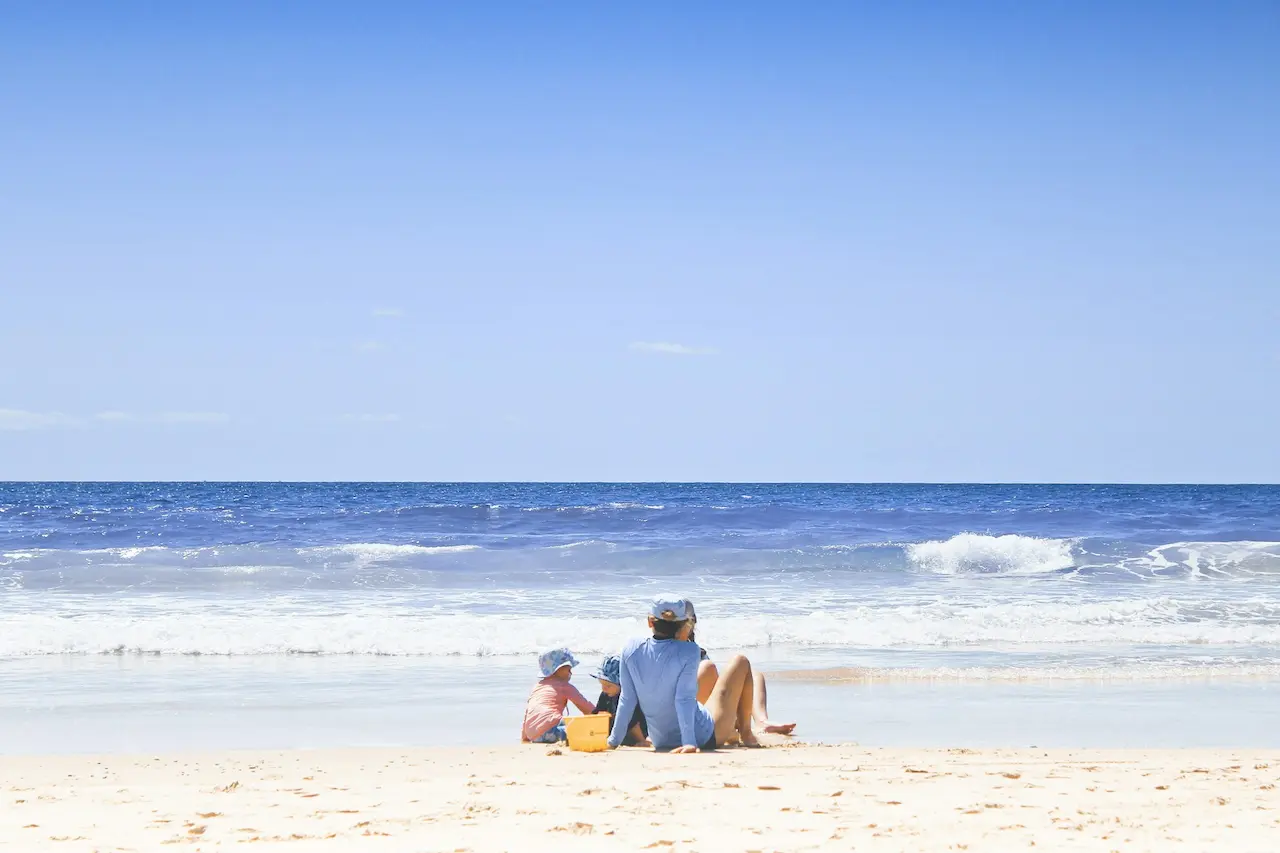
Australian holiday photos are looking different lately. More grey hair. More toddlers. Sometimes both, without the sandwich generation in the middle.
Families are rethinking who comes along on trips, and the answer more often includes grandparents.
Hilton’s 2026 Trends Report shows that multigenerational travel has become one of the country’s fastest-growing vacation trends. Even more interesting is the popularity of “skip-gen” holidays, where grandparents travel alone with their grandchildren.
Three generations, one vacation
The multigenerational travel trend isn’t about nostalgia or tradition. It shows how Australians changed their idea of spending time together – families are seeking deeper connections, and getting away from daily pressures makes that easier. When you’re walking the coastal track of Bondi to Coogee together, conversations flow differently. You’re not distracted by the laundry pile or tomorrow’s meeting.
Research shows that 63% of Australians say these trips strengthen family bonds. They are tired of short catch-ups at Sunday lunch or other casual gatherings and want something more meaningful.
The well-being angle also comes into play here. 91% of Australians believe travelling with family benefits the health and well-being of grandparents. Taking the grandkids to a theme park or teaching teenagers to surf keeps them active in ways a gym membership never could.
“Skip-gen” holidays
Skip-generation holidays deserve their own mention. Grandparents are stepping up and booking trips without getting the middle generation involved.
Why is this happening now? Part of it comes down to logistics. Many Australian parents today have better health and financial stability than previous generations at the same age. They have the means and the energy. Meanwhile, the parents are drowning in work commitments and need a break.
Sending the kids off with grandad or grandma to visit
Sydney isn’t neglectful. It’s just smart.
For the grandparents, these trips give a chance to create memories without worrying about the usual responsibilities. They get to be the fun ones, the ones who say yes to ice cream before dinner and let bedtime slide a bit.
The reality of planning these trips
As good as this concept sounds, planning trips with multiple generations involves more work than a solo weekend getaway. The checklist for a perfect trip is longer when you’ve got everyone from a six-month-old to a seventy-year-old travelling with you.
Accommodation is usually the first issue. You can’t just book two standard hotel rooms and call it done. One family might need interconnecting rooms so parents can hear if the baby wakes up. Another might prefer a holiday apartment with a full kitchen because grandpa likes to cook. More families are looking for properties with enough space and amenities to keep every family member happy.
But comfort isn’t just about the room. Staying online matters too, especially on the road or when parents are back home while grandparents travel with kids. Many families rely more on mobile data to stay in contact when apart or choose
tools like online VPNs to use public Wi-Fi and share family photos safely. Staying online also helps teenagers to relax and get some quiet downtime with their screens.
Then there’s travel insurance. Policies that cover an 18-year-old with no health issues fall apart when grandparents join the booking. Age limits, medical declarations, coverage exclusions – the fine print grows longer when generations travel together. Families look for insurance policies that don’t penalise older travellers.
Small details like this have become part of the travel checklist, alongside sunscreen and a passport. But despite the complexity, families keep choosing these trips. The planning headaches fade, and the memories stick around. And as the research shows, for most Australian families booking multigenerational holidays, these benefits seem worth it.
How this trend changes Australian tourism
If the current patterns hold, we’ll see the Australian travel industry adapting more to accommodate these diverse family groups. Hotels will offer more interconnected rooms and family-friendly packages. Tour operators will design experiences that are suitable for different age groups. Airlines might even get creative with group booking discounts (though let’s not hold our breaths on that one).
For Australian families, the idea is clear – you don’t have to choose between a romantic couple’s retreat and a
kid’s holiday. The middle ground exists, and it’s surprisingly rewarding.
When done right, multigenerational tips create space for relationships to deepen and for three (or four) generations to actually enjoy each other’s company. And when everything else feels so fragmented around us, this trend seems worth celebrating.